


Glass Breakage: Safety Tips, Causes & Prevention
Glass has a luxurious appearance, making it a common choice for high-end products across various industries, from food to health and beauty. When compared to plastic, it has an increased chance of breaking or shattering. Glass breakage is the cracking or shattering of glass due to factors including stress, impact, and temperature. Broken glass can pose safety risks and can lead to product loss or injury, which is why it is essential to understand its breakage patterns, risks, and best practices for preventing glass breakage.

Understanding Glass Breakage Risks
Glass is strong, durable, non-toxic, 100% recyclable, and reusable. But, unlike plastic, it cannot bend significantly without cracking. Even small defects can eventually grow into fractures. Risks of potential broken glass arise from:
-
Mechanical stress: drops, collisions, or pressure
-
Thermal stress: rapid heating or cooling
-
Flaws: scratches, chips, or inclusions
-
Improper handling or installation
Risks of Shattered Glass
When glass shatters, there are many potential hazards to be aware of. Sharp fragments can cause cuts and puncture wounds if they are not cleaned up and collected properly. Other effects of glass breakage are that shattered glass can also contaminate a product, such as food, beverage, or pharmaceutical products. This can lead to operational downtime in industrial settings as well as costly replacements for damaged equipment or product.

Principles of Glass Breakage
Glass can break when internal or external stresses exceed its strength. These stresses can result from dropping, damage such as chips and scratches, or heating that is uneven or too high of a temperature.
Different Types of Glass & Their Breakage Patterns
Glass can be manufactured and treated in different ways, affecting how it behaves when stressed or broken. Understanding these types of glass breakage helps businesses select the right container for their product and to anticipate how the glass will perform in their processes.
Toughened Glass (Safety Glass)
Toughened glass is heated and rapidly cooled during production to increase strength. It is rarely used in packaging and is more suitable for specialty applications. When it shatters, it breaks into small, blunt fragments less likely to cause injury. Toughened glass is used the most for specialty or reusable containers that will be in high-stress environments.
Heat-Strengthened Glass
Stronger than annealed glass but not as robust as toughened glass, heat-strengthened glass is partially tempered. It has improved resistance to thermal stress and impact. Heat-strengthened glass is most common for containers exposed to heat and stress.
Chemically-Toughened Glass
Chemically-toughened glass is strengthened through an ion-exchange process, which makes the surface more resistant to scratches and stress. It is commonly used in electronics but can also be applied to specialty packaging where clarity and durability are important.
Laminated Glass
Laminated glass is commonly used for windows, skylights, and more. It consists of two or more layers of glass bonded with a plastic interlayer, so when the glass breaks, the fragments stick to the interlayer instead of scattering and becoming a danger.
Glass Breakage Patterns
When glass containers break, the fracture surfaces often show distinct patterns. These markings help identify the glass breakage causes and provide insight into how stress was applied.
1. Ripples
Ripples are wavy fracture lines that spread unevenly across the glass surface. Ripples may indicate impact from one side or uneven pressure during handling.
2. Mirror Grey Hackle (Mirror Mist Hackle)
Fine mist-like markings that appear near the origin of a crack. They often show crack growth and can show where the breakage started.
3. Feathering
The lines between ripples, these thin, branching cracks resemble feathers. Feathering usually develops as stress moves outward, showing how the fracture spreads across the container.
4. Cantilever Curl
Curved break edges caused by bending. This pattern suggests the glass was flexed or loaded unevenly, common in jars or bottles stacked improperly.
5. Dwell Marks
Dwell marks show where a crack paused before continuing. This means the glass was under stress for a while before finally breaking, often from storage pressure or temperature changes.
6. Striations
Parallel lines that reveal the direction of stress during breakage. Striations are useful for helping identify whether the failure was due to impact, pressure, or temperature change.
How to Avoid Glass Breakage: 5 Safety Tips
While there are cases where accidents happen, there are glass safety tips you can take to prevent glass breakage:
Handle with care. Avoid impacts or dropping the containers that can cause the glass to shatter.
Control temperature changes. Ensure that your glass container is not heated unevenly or experiences sudden heating or cooling. It is also important to follow the container’s product specifications to avoid exposing it to temperatures too high.
Inspect and replace. Check all glass containers for chips, scratches, or defects and replace them immediately to avoid a bigger mess in the future.
Use protective packaging. Ensure that glass containers are packaged appropriately during transport to avoid clanking and cracking. Shipping supplies such as boxes, bubble wrap, packaging peanuts, and more can help in protecting glass containers.
Choose the right glass container for your product. This helps to ensure that your container is compatible with your product’s needs when it comes to temperature filling, and more.
Glass Breakage Solutions & Protection
Most of the time, glass breakage happens due to user error. Protecting against glass breakage comes down to careful handling and smart storage practices. Ensure that the right closures and liners are paired with your container, as this helps to not only protect the contents but also reduce stress on the container.
Once ready to go, keep glass containers stored on stable shelving and away from high-traffic areas to avoid accidental falls. Another thing to keep in mind for compatibility is the glass type. Thick-walled jars are preferred for candles, while amber UV-protective bottles are ideal for light-sensitive products.
These practices help ensure that glass packaging maintains product integrity and provides customers with a safe, reliable container.

Why Choose The Cary Company
The Cary Company offers a wide range of glass containers and shipping supplies designed to minimize glass breakage risks. With decades of industry expertise, we help customers select the right glass type, protective packaging, and handling solutions to keep products safe from manufacturing to delivery. For questions about our glass containers, glass breakage solutions, or help in choosing the ideal one for your application, contact us at 630.629.6600 or sales@thecarycompany.com.

Wine Bottles
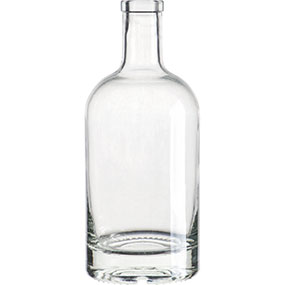
Liquor Bottles

Growlers

Carboys

Boston Rounds

Droppers

Packers

Milk Bottles

Sauce & Dressing

Stout Bottles

Beverage Bottles

BBQ Sauce Bottles

Decanters

Jugs

Vials

French Square Bottles

Economy Jars

Straight Sided Jars

Paragon Jars

