Understanding the Importance of IBC Tote Heaters

With winter fast approaching, intermediate bulk container (IBC) tote heaters are a critical investment for industries such as manufacturing, food and beverage, chemical processing, pharmaceuticals and agriculture. There is increasingly high reliance on safe transport and viscosity control for viscous fluids, resins and oils during these colder months. Designed to save business owners energy costs and product quality deterioration, these systems:
-
Prevent freezing during storage.
-
Maintain product viscosity.
-
Reduce product waste.
-
Support process requirements.
Choosing the right IBC tote heater means consideration of product temperature requirements, environmental conditions and safety and compliance. The Cary Company Team is here to help navigate the options.
What Is an IBC Tote Heater?
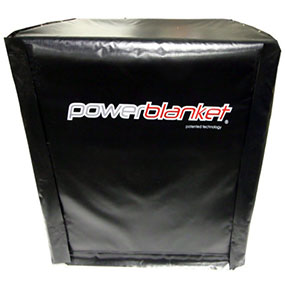
IBC tote heaters are specialized industrial devices, typically in the form of blankets, that are used to warm and maintain the temperature of sensitive or heat-dependent liquids stored in IBCs, which can hold 275 to 550 gallons.
Typically, the heaters can maintain maximum temperatures of 145°, 160° and up to 194°. These systems are designed to maintain, thaw or raise the temperature of viscous liquids, chemicals and food products.
Why Are IBC Tote Heaters Important?
Maintaining an elevated temperature ensures that IBC tote contents are ready for production and easy to dispense. IBC tote containers are commonly used for storing and transporting liquids, including various chemicals and hazardous materials. If the temperatures of IBC tote contents drop below desired levels, the contents could be ruined or unable to dispense. IBC tote heaters can prevent negative effects like:
- Increased production costs
- Product quality deterioration
- Damaged equipment
- Significant downtime
Preventing Freezing During Storage
Many liquids stored in IBC containers are prone to freezing at low temperatures. Freezing can lead to liquid expansion, which may cause the container to burst or become damaged. IBC tank heaters protect liquids that are susceptible to freezing at low temperatures.
Maintain Product Viscosity
Some liquids, particularly viscous or thick substances such as oils or chemicals, may become too thick to flow properly at lower temperatures. Heating helps to maintain the desired viscosity and consistency, so pumping and handling are easy.
Reduce Product Waste
IBC tote heaters prevent liquids like oils, resins, and syrups from getting too thick in cold weather. With the consistency of temperature, whole batches are poured out easily, with less product waste or damage.
Support Process Requirements
Some processes require specific, precise control over the temperature of products being stored. Heating IBC containers enables precise control over the stored liquid temperature, for compliance with process requirements.
How Do IBC Tote Heaters Work?
IBC tote heaters are typically electrically powered, with adjustable temperature settings to meet different liquid requirements. The best way to heat an IBC tote is by using flexible heating jackets, which wrap around the tote, although heating pads are also used.
Internal resistance wires convert electricity into controlled thermal heat, which warms the container walls and thaws or reduces the viscosity of stored liquids. Heavy-duty outer layers made of insulated materials like silicone, fiberglass or polyester trap the heat within the system, preventing energy loss into the surrounding air.

What Are the Benefits of Using IBC Tote Heaters?
There are many advantages to investing in and leveraging IBC tote heaters.
Reduce Energy Costs
Modern IBC heaters are energy-efficient, often incorporating insulation and advanced heating elements that reduce energy consumption and lower operating costs. These systems lower energy costs through full surface insulation, localized thermal contact and precise digital thermostats that prevent overheating. With thermostat control, users can precisely set and maintain the desired temperature, reducing the risk of overheating and energy waste. This level of control leads to significant cost savings over time, with minimized energy consumption.
Save Time
By maintaining optimal temperatures, IBC tote heaters help streamline industrial processes, ensuring consistent product quality and reducing downtime. There is less time required for thawing or reheating products.
Improve Efficiency
These heaters are designed to warm large quantities of liquid quickly and uniformly, reducing the time needed to reach the desired temperature compared to other methods. In terms of just-in-time processing requirements, the real-time availability of heated, ready-to-use materials can reduce workflow and throughput.
Support a Wide Range of Applications
IBC tote heaters can be used with a variety of liquids and materials, including chemicals, oils, foods and adhesives, making them versatile tools in different industries.
Meet Safety Requirements
IBC tote heaters play a crucial safety role, by ensuring container contents are kept at safe temperatures, reducing the risk of accidents or hazardous reactions. One case in point is environments where flammable materials are stored, and explosion-proof tote heaters are required to provide safe heating solutions. With maintenance of required temperature, IBC tote heaters help prevent dangerous situations, ensuring the safety of both personnel and the surrounding environment. IBC tote regulatory and legal factors include food safety, transportation and manufacturing practices.
How Do You Choose the Right IBC Tote Heater
It’s a top priority to protect valuable product contents against harsh conditions. When selecting from the IBC tote heater options, there are important considerations. By addressing specific needs and focusing on quality and customization, IBC tote heaters will be optimized for product protection in any environment. Consider these factors to make an informed decision.
Temperature Requirements
- Assess IBC totes, as the temperature requirements depend on both the material of the tote and the safety limits of the cargo.
- Ensure that products are contained within stringent temperature ranges.
- Align the heater’s capabilities to the material’s needs.
Environmental Conditions
-
Take into account whether the IBC tote heater should be used indoors or outdoors.
-
Consider the weather exposure, including humidity.
-
Be sure to keep in mind the environment, with dust.
Safety & Compliance
- Determine whether compliant heating products, including ETL/UL/CSA certifications, are required for your products.
-
Ensure compatibility with tote material and IBC tote contents.
-
Avoid unsafe methods like open heating belts or uncontrolled ovens.
How the Right IBC Tote Heater Can Protect Your Products
The Cary Company helps our clients navigate the options with our large selection of intermediate bulk container IBC tote heaters and drum heaters. Popular options and specifications include 275-gallon, 330- and 550-gallon heaters. Most models offered are ETL, CSA or UL certified to meet strict electrical and safety standards.
Do you have additional questions about the IBC tote heater features? For help exploring our IBC tote heater selection, The Cary Company Team is here. Contact one of our product specialists at 630-629-6600, or email us at sales@thecarycompany.com.
IBC

IBC Tote
Heating Pads

Hazardous IBC
Tote Heaters

Insulating
Quilts